Solar term calendar
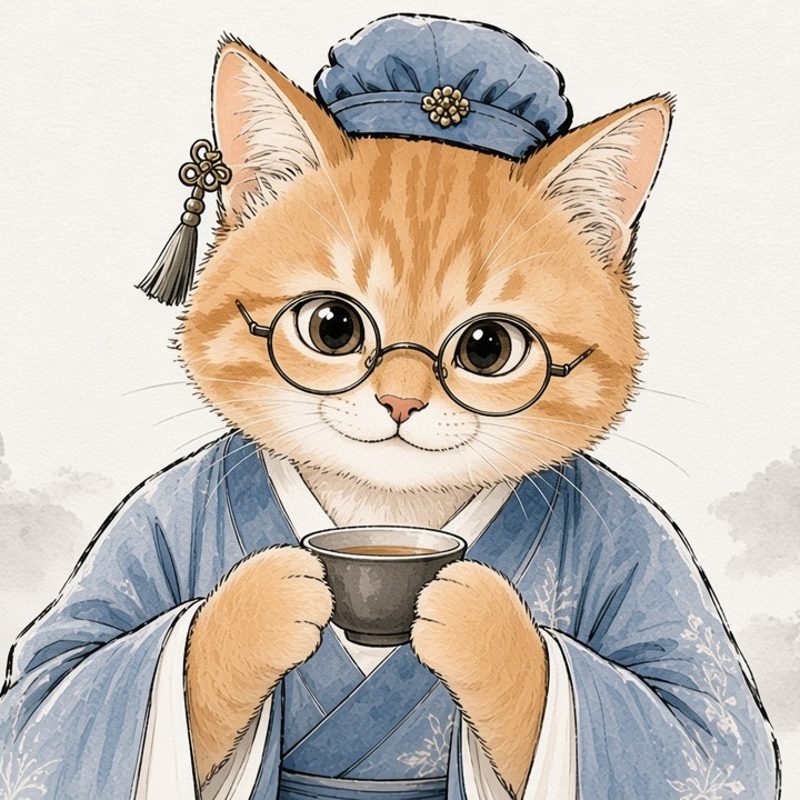
Twenty-four turns. Mr. Chaju wrote a short note for each. The dates are the usual modern approximations; the sky does not use our clock.
- 01Start of SpringThe calendar still says winter, but the east wind has changed its mind. Mr. Chaju opens a tin of jasmine and lets the room smell faintly green.Read the note
- 02Rain WaterRain starts to reach the roots. The kettle stays on, and the tea house smells of wet stone and roasted barley.Read the note
- 03Awakening of InsectsThunder is only a rumor, but the insects believe it. We set out a lighter cup, something floral, and open the windows a finger's width.Read the note
- 04Spring EquinoxDay and night balance on the same scale. Mr. Chaju drinks the same tea twice, once in the sun and once after it leaves.Read the note
- 05Clear and BrightThe air is washed. People visit family graves, willows turn yellow-green, and the tea house keeps a quiet pot for anyone who comes in from the road.Read the note
- 06Grain RainThe last spring rain fattens the grain. Leaves are tender now; we brew them a little cooler and a little shorter.Read the note
- 07Start of SummerSummer crosses the threshold with broad daylight. The robe feels heavier, and the cups get smaller.Read the note
- 08Grain BudsThe ears of grain are full but not yet heavy. We are in the same mood: enough, not too much, a second infusion if you want it.Read the note
- 09Grain in EarThese are the busy planting days. Mr. Chaju keeps a cool infusion on the counter for people who only have time to stand.Read the note
- 10Summer SolsticeThe longest day. Light stays in the room after the shop should have closed. We drink something clean and slightly bitter.Read the note
- 11Minor HeatHeat arrives in earnest, though the evenings still negotiate. Chrysanthemum sits in a bowl, waiting for hot water.Read the note
- 12Major HeatThe peak of summer. The cat naps where the floor is stone. Tea is poured over ice only if you ask; the kettle still has a job.Read the note
- 13Start of AutumnAutumn is announced before it is felt. A leaf sticks to the step. We put osmanthus on the list and wait for it to mean it.Read the note
- 14End of HeatThe heat begins to pack. Nights grow a margin. Mr. Chaju moves the darker teas back toward the front of the shelf.Read the note
- 15White DewMornings silver over. The first dew is a fine ink line on the grass. Tea tastes cleaner in this kind of air.Read the note
- 16Autumn EquinoxBalance again, this time leaning toward dark. We split a pot: half for the afternoon, half for when the lamp is lit.Read the note
- 17Cold DewDew turns cold enough to matter. Leaves dry at the edges. The tea house sweeps a little earlier and lets the water boil a little longer.Read the note
- 18Frost DescentFrost writes its name on the lawn. Mr. Chaju sets out chenpi and red dates, the smell of a room that has decided to be warm.Read the note
- 19Start of WinterWinter is a change of clothes. The blue robe earns its keep. Ginger and black tea are for the evening, when the street is already dark.Read the note
- 20Minor SnowSnow that does not stick. It salts the tiles and leaves. The kettle sounds louder in a quiet shop.Read the note
- 21Major SnowSnow that means it. Footsteps stop at the threshold and start again as water. We keep the pot full.Read the note
- 22Winter SolsticeThe longest night, and after it the light starts coming back, slowly enough that only a calendar would boast. We stay up with a small cup.Read the note
- 23Minor ColdCold settles into the corners. The cat chooses the chair nearest the kettle. Tea is dark, and the second steep is often the better one.Read the note
- 24Major ColdThe coldest term, and the last. Everything after this is already walking toward spring. We finish the jar of chenpi and do not rush the next one.Read the note